Avocado oil is a popular carrier oil for soap crafting due to its thick, moisturizing nature and high fatty acid content. Whether you’re making cold-process bars or melt-and-pour soaps, choosing a pure, hexane-free avocado oil can enhance lather, skin feel, and shelf life. The selections below spotlight five avocado oils well-suited for soap making, balancing purity, value, and performance.
| Product | Brand | Size | Best For |
|---|---|---|---|
| Baja Precious Avocado Oil | Baja Precious | 1 Gallon | High-heat cooking, skincare, soapmaking |
| Kevala Avocado Oil | Kevala | 128 Fl Oz | Cold-pressed purity, high smoke point |
| Zatural Avocado Oil | Zatural | 32 Oz | Pure, additive-free use |
| Pifito Avocado Oil | Pifito | 16 Oz | Cosmetic-grade, soapmaking |
| SULU Organics Avocado Oil | SULU Organics | 1 Gallon | Unrefined, USDA Organic |
Baja Precious Avocado Oil 100% Pure

Baja Precious offers 100% pure avocado oil that is expeller pressed and hexane-free. The product is described as rich and thick, designed for high-heat cooking and skincare applications, including soapmaking. The heavy-duty cap and safety seal support long-term storage and product integrity, making it suitable for use as a soapmaking carrier oil or as part of a formulation that requires a robust, moisturizing base. The oil’s purity and natural profile align with soapmakers seeking reliable texture and skin benefits without additives.
Kevala Avocado Oil – Cold Pressed
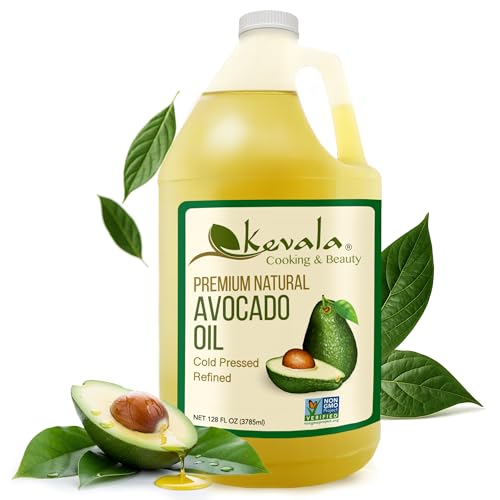
Kevala’s avocado oil is cold-pressed and Non-GMO Project Verified with Kosher certification. This multi-purpose oil is refined for a high smoke point, making it suitable for high-heat cooking as well as skin moisturizing needs. For soapmaking, the clean processing and certification provide assurance of minimal contaminants, allowing formulators to rely on a steady fat profile for saponification while maintaining a neutral character desirable in many soap bases.
Zatural 100% Avocado Oil
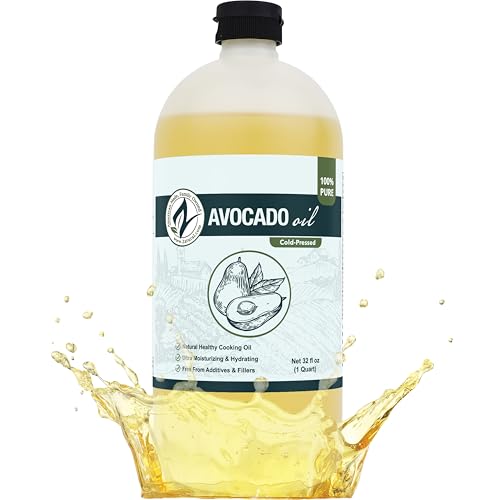
Zatural presents 100% organic, pure avocado oil that is cold pressed and free from additives. Its non-GMO status and versatility—from cooking to dressings—translate well into soapmaking, where a clean, natural oil base supports gentle cleansing and nourishing bar properties. The absence of additives helps maintain consistency in fat content, which is advantageous for predictable saponification outcomes.
SULU ORGANICS Certified Organic Avocado Oil

This 4 LBS/64 FL.OZ container is USDA Organic and unrefined, offering a robust, nutrient-rich base ideal for soap formulations. The organic certification signals clean sourcing, while unrefined status preserves natural fatty acids that contribute to a creamy lather and moisturizing feel in finished bars. The large size also suits frequent soapmakers seeking consistent supply at a favorable per-ounce cost.
USDA Certified Organic Cold Pressed Avocado Oil

USDA Certified Organic, cold-pressed avocado oil from Sulu Organics emphasizes unrefined quality and a pristine oil profile. Suitable for soapmaking and cosmetic formulations, this oil preserves natural fatty acids and vitamins, contributing to moisturizing attributes in bars. The organic certification supports adherence to rigorous sourcing and processing standards, important for makers prioritizing organic components in their recipes.
Chosen Foods Avocado Oil

Chosen Foods offers a 100% pure avocado oil that is naturally refined with a neutral flavor. While marketed for cooking, its high-quality, refined profile makes it a reliable base for soapmaking where consistent texture and a mild scent are desirable. It emphasizes good fats from avocados and a smooth flavor profile—attributes that translate to manageable, predictable saponification results in cosmetic formulations.
Buying Guide: Key Purchase Considerations For Soap Makers
- Purity and processing: For soap making, pure, additive-free avocado oil (cold-pressed or expeller-pressed) is preferred to avoid interfering scents or textures in soaps.
- Refined vs unrefined: Unrefined oils retain natural nutrients but can have stronger aroma; refined oils offer a milder scent and higher stability in formulations, which can be advantageous for fragrance-rich or unscented soaps.
- Certification and sourcing: Organic, Non-GMO, Kosher certifications help ensure consistent quality and clean sourcing. For sensitive formulas, hexane-free processing is important.
- Fatty acid profile: A higher oleic and monounsaturated content supports a creamy lather and moisturizing bars. Check product notes for processing details if available.
- Storage and packaging: Light-blocking bottles and tight caps minimize oil oxidation. Large sizes may reduce cost per ounce but require proper storage space and handling.
- Cost vs value: For frequent soapmakers, balance price with purity and shelf life. A reliable budget option can be paired with pricier premium oils to achieve specific bar characteristics.
- Compatibility with recipes: When substituting avocado oil into existing formulations, adjust for oil density and amount to achieve desired trace and hardness. Begin with small test batches to calibrate.
- Allergen considerations: While avocado oil is generally well-tolerated, avoid cross-contamination with other allergenic ingredients in shared facilities if allergen controls are needed.
- Application versatility: Beyond soapmaking, these oils serve in skincare, massage blends, and cosmetic formulations, enabling cross-use in related DIY projects.
In choosing an avocado oil for soapmaking, prioritize purity, processing method, and certification. The selections above provide a spectrum of options—from organic, unrefined gallons to refined, neutrally scented bottles—so makers can tailor fat content and texture to their soap bases while maintaining clean, predictable results.