Brick-inspired flooring adds warmth and character to a kitchen, while many modern options offer easy installation and strong durability. This guide highlights top brick-pattern flooring products that are ideal for busy American kitchens, focusing on peel-and-stick vinyl and brick veneer solutions. We evaluate installation ease, moisture resistance, durability, and look to help you choose a practical, stylish upgrade that lasts.
| Product | ||||
|---|---|---|---|---|
| Nexus Self Adhesive 12-Inch Vinyl Tiles | Vinyl Peel & Stick | Easy | Kitchens, Dinning Areas | 20 tiles per box; 12″ x 12″; 1.2 mm thickness |
| FloorPops Harvard Brick Red Peel & Stick | Vinyl Peel & Stick | Easy | Living areas, Kitchens | Brick-inspired; no grout needed |
| W&S 24-Sheet Hexagon Peel & Stick | Vinyl Peel & Stick | Easy | Feature wall and floor accents | Hexagon pattern; waterproof and stain-resistant |
| TORURAL Vintage Brown/Red Faux Brick | Thin Brick Veneer | Moderate | Long-term brick look, walls | 2.36″ x 8.66″ sheets; 14.2 sq ft per box |
| PowerSellerUSA Vinyl Tiles (Brown Red Bricks) | Vinyl Peel & Stick | Easy | Moisture-prone spaces | 1.2 mm thick; 12″ x 12″ |
Nexus Self Adhesive 12-Inch Vinyl Floor Tiles

The Nexus Vinyl Floor Tiles offer a straightforward, glue-free installation suitable for kitchens and other high-traffic spaces. Each tile measures 12 inches by 12 inches and sits 1.2 mm thick, providing a lightweight, economical solution for quick kitchen upgrades. The peel-and-stick design enables homeowners to cover roughly 20 square feet per box without specialized tools. The vinyl surface is designed to resist staining and water exposure common in food preparation areas, while still allowing for easy replacement of individual tiles if damage occurs. The neutral brick pattern blends with many cabinetry styles, making it a versatile choice for DIY renovations.
Considerations include ensuring a flat, clean substrate and allowing full adhesion time before placing heavy furniture or appliances. For busy kitchens, the ability to swap damaged tiles individually can reduce future maintenance costs. Maintenance typically involves routine dry or damp microfiber cleaning to preserve the surface’s appearance. While not a true ceramic or porcelain upgrade, this option delivers a cost-effective, temporary to mid-term aesthetic refresh with decent durability in daily kitchen use.
FloorPops Harvard Brick Red Peel & Stick

FloorPops Harvard Brick Red offers brick-pattern vinyl tiles with a simple peel-and-stick method that requires no grout or special tools. This makes it an attractive option for renters or homeowners who want a quick, reversible upgrade in the kitchen. The repeating brick motif creates a warm, rustic look that pairs well with wood cabinets or industrial lighting. The tiles are designed for durability in moisture-prone spaces and wipe clean for easy maintenance. As an advantage, the product’s compact nature allows for partial room updates or accent walls that complement existing cabinetry.
Key considerations include ensuring a clean, dry substrate and staying mindful of tile alignment to maintain the brick pattern’s visual continuity. In high-traffic kitchens, verify the tiles’ wear layer and consider adding a protective clear coat if exposure to heavy spills increases wear. Replacement is straightforward if a tile becomes damaged, contributing to long-term cost efficiency for renovations on a budget.
W&S 24-Sheet Hexagon Peel & Stick Tile
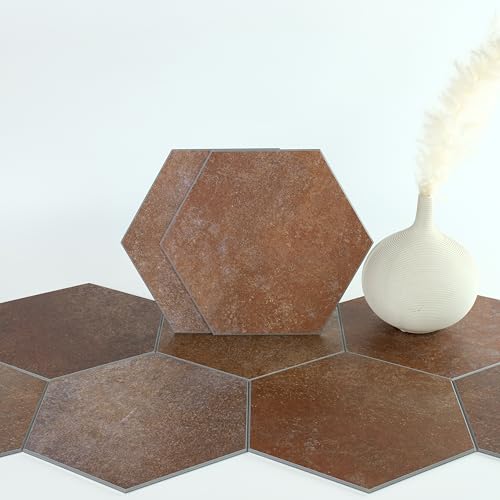
Although featuring a hexagonal pattern, the W&S Peel & Stick tiles deliver a robust, textured look with practical benefits for kitchens seeking a distinctive surface. The set includes 24 tiles, with each tile measuring 8.9 by 7.7 inches and a thickness around 0.16 inches. The surface is designed to be non-slip, stain-resistant, and relatively easy to clean, making it suitable for kitchens with kids or frequent cooking activities. The product’s stone-like texture adds a vintage farmhouse charm, while its waterproof qualities support routine kitchen cleaning and spill management.
Installation flexibility is a notable advantage, as the tiles can be used on walls or floors, expanding design options beyond single-floor replacement. For best results, plan for slight material overage to accommodate cuts around cabinets and appliances. The thicker adhesive and rigid tile construction help maintain a level surface on uneven subfloors, though a smooth substrate remains important for clean adhesion over time.
TORURAL Vintage Brown/Red Faux Brick Wall Tiles

TORURAL’s vintage brown/red brick veneer sheets offer a true brick look in a thin, flexible format ideal for walls and light-duty floors. The package covers about 14.2 square feet per box, with each piece measuring 2.36 inches in width by 8.66 inches in length and 0.15 inches thick. Made from inorganic mineral powder with a poly-acrylic binder, these veneers are designed for curved surfaces and easier, more affordable installation than traditional brick. A recommended step is priming the surface to reduce potential staining in kitchens and to improve adhesion longevity. These veneers are lightweight and suitable for DIY projects with basic tools.
While highly authentic in appearance, brick veneers are better suited for walls or limited floor applications, depending on subfloor condition and load. Durability can vary with traffic and cleaning methods, so homeowners should consider using a protective topcoat if exposed to heavy kitchen activity. This option excels in achieving a classic brick aesthetic for feature walls or partial floor accents without the full cost of traditional brick construction.
PowerSellerUSA Vinyl Self Adhesive (Brown Red Bricks)

The PowerSellerUSA brown-red brick vinyl tiles provide a practical kitchen flooring option with a contemporary brick pattern. The 12″ x 12″ tiles come with a self-adhesive backing, enabling quick installation on flat, dry surfaces. A key feature is the wear layer designed to resist scratches and stains, which is beneficial in busy kitchens where spills and traffic are common. The tiles are water-repellent, making them suitable for moisture-prone zones like kitchens and laundry areas. They offer durable performance while maintaining a cost-effective profile for large area renovations.
When planning installation, ensure a clean, smooth substrate for optimal adhesion. If uneven subfloors exist, consider minor surface preparation to prevent air pockets or lamination gaps. Regular maintenance with a damp mop and avoid harsh solvents to sustain the color and texture of the brick pattern. Replacing damaged tiles individually can simplify long-term upkeep and preserve the overall look of the kitchen floor.
Buying Guide: Key Considerations For Brick Flooring In The Kitchen
- Moisture and humidity resistance: Kitchens require materials that withstand spills, steam, and occasional moisture. Vinyl peel-and-stick options typically handle moisture well, while brick veneers are best suited for walls or protected floor zones.
- Durability and wear: Consider the tile thickness and wear layer. Thicker tiles with strong wear layers resist scratches and dents from furniture and foot traffic. For family kitchens, prioritize products with robust surface protection.
- Ease of installation: Peel-and-stick tiles offer quick DIY installation and easier tile replacement. Ensure the substrate is flat, clean, and dry before applying and allow proper curing time after installation.
- Aesthetic compatibility: Brick patterns range from traditional red brick to modern, flat brick textures. Choose a pattern and color that complements cabinetry, countertops, and lighting to achieve the desired mood—cozy rustic or sleek contemporary.
- Maintenance and cleaning: Most vinyl surfaces are wiped clean with mild cleaners. Avoid abrasive scrubs on veneers and brick-look surfaces. Regular cleaning extends the life of both vinyl and veneer products.
- Repair and replacement: The ability to replace individual tiles can reduce costs and downtime. Peel-and-stick vinyl tiles excel at localized repairs, while veneers may require more careful handling during removal and reapplication.
- Coverage and waste: Calculate total square footage, add 5–10% extra for cuts and waste, and select tile sizes that minimize waste. Some products ship with exactly the needed quantity, others may need additional tiles for full coverage.
- Longevity and warranty: Check warranty length and coverage scope. Some brick-look vinyl products offer long-term wear warranties, while veneers may have more limited guarantees depending on usage.
- Surface preparation: Proper priming and surface smoothing improve adhesion for veneers and heavy-duty tiles. For concrete or plywood subfloors, consider a suitable primer and, if needed, a thin leveling compound.
- Flexibility and applications: Some products are optimized for floors, others for walls or both. Decide where you want the brick look—entire floor, partial floor accents, or feature walls—to select the most appropriate product.
In sum, brick-themed kitchen flooring can blend classic charm with practical performance. Peel-and-stick vinyl tiles are ideal for quick updates, rental-friendly installs, and easy repairs. Brick veneers provide an authentic brick appearance for walls and certain sheltered floor areas, offering a longer-term architectural statement. When choosing, weigh moisture tolerance, durability, installation complexity, and how well the design complements your kitchen’s existing elements. This balanced approach helps ensure you achieve a durable, stylish kitchen that stands up to everyday use.