Properly seasoning carbon steel cookware is essential for creating a natural non-stick surface and protecting it from rust. Below is a summary table featuring the top oils and waxes designed specifically for seasoning carbon steel cookware. These products combine natural oils and beeswax, offering versatile use on various kitchen items.
| Product | Brand | Key Ingredients | Versatility |
|---|---|---|---|
| BuzzyWaxx Original Blend | BuzzyWaxx | Grapeseed Oil, Canola Oil, Beeswax | Cast iron, carbon steel, wood, grills, Dutch ovens |
| Knapp Made Cast Iron Seasoning Wax | CM SCRUBBER | Grapeseed Oil, Canola Oil, Beeswax | Cast iron, carbon steel, wood, Dutch ovens, grills |
| Made In Cookware Carbon Steel Seasoning Wax | Made In | Rice Bran Wax, Canola Oil, Grapeseed Oil | Carbon steel, cast iron |
| Crisbee Stik Cast Iron and Carbon Steel Seasoning | Crisbee | Non-GMO Soybean Oil, Beeswax, Non-GMO Palm Oil | Cast iron, carbon steel |
| Lancaster Cast Iron Seasoning | Lancaster Cast Iron | Grapeseed Oil, Beeswax, Safflower Oil | Cast iron, carbon steel, Dutch ovens |
BuzzyWaxx Original Blend – Cast Iron and Carbon Steel Seasoning
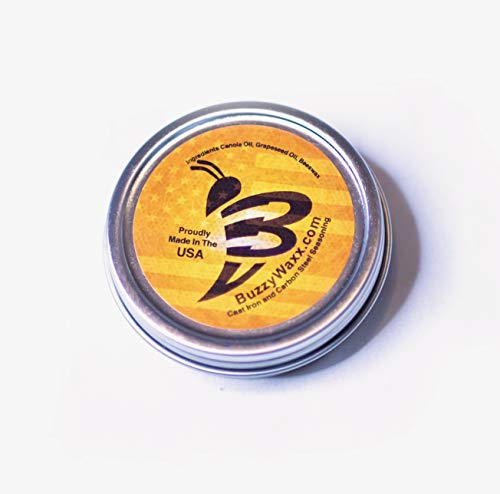
BuzzyWaxx Original Blend is a carefully crafted seasoning wax that combines grapeseed oil, canola oil, and beeswax to effectively condition and protect carbon steel and cast iron cookware. The blend uses locally sourced beeswax and oils from trusted US farms, ensuring quality and sustainability.
This product is versatile, suitable for both new and old cookware, including wood surfaces, grills, and Dutch ovens. It creates durable protection and enhances the non-stick surface, which helps prevent rust.
Knapp Made Cast Iron Seasoning Wax – Natural Oils and Beeswax Blend

The Knapp Made Cast Iron Seasoning Wax features a synergy of grapeseed oil, canola oil, and beeswax sourced entirely from local farms in the USA. This blend not only seasons but also conditions cookware for enhanced cooking performance.
It works on cast iron and carbon steel pans and extends to kitchen items like wooden utensils, Dutch ovens, and grills. The formula is formulated to maintain seasoning with regular use, reducing flaking and rust buildup over time.
Made In Cookware – Carbon Steel Seasoning Wax with Rice Bran Wax

Made In Cookware Carbon Steel Seasoning Wax combines rice bran wax with canola and grapeseed oils to simplify seasoning. This Canadian-crafted product focuses mainly on carbon steel and cast iron cookware.
The inclusion of rice bran wax offers a strong sealing effect, creating a long-lasting and highly protective seasoning layer. This wax blend is straightforward and effective for users wanting a no-fuss seasoning approach.
Crisbee Stik Cast Iron and Carbon Steel Seasoning – Family Made in the USA
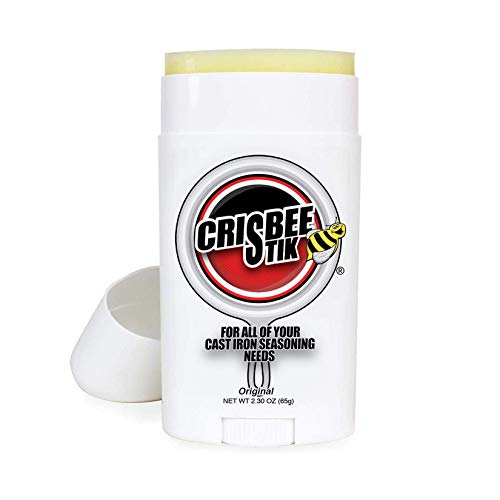
Crisbee Stik seasoning combines non-GMO soybean oil, beeswax, and non-GMO palm oil into one economical and efficient product. A little goes a long way in creating a smooth, resilient seasoning layer for carbon steel and cast iron skillets.
Family made in the USA, this product is favored by many for its ability to maintain a cleaner, stick-resistant surface, enhancing cookware longevity and cooking ease.
Lancaster Cast Iron Seasoning – Restore and Protect Cookware

Lancaster Cast Iron Seasoning is designed to restore and condition cast iron and carbon steel cookware with a blend of grapeseed oil, beeswax, and safflower oil. It is made entirely in the USA with locally sourced ingredients.
This seasoning wax protects against rust and builds layered seasoning with consistent use after each cooking session or during re-seasoning. Its oil and wax blend maintains a balance between penetration and surface coating for durable performance.
Buying Guide: Choosing the Best Oil for Seasoning Carbon Steel
Key Considerations for Seasoning Oils and Waxes
- Ingredients: Opt for natural oils like grapeseed, canola, soybean, or safflower oil paired with beeswax or other natural waxes for effective seasoning and protection.
- Versatility: Choose products suitable for both carbon steel and cast iron cookware. Many also work on other kitchenware like grills, Dutch ovens, and wooden utensils.
- Ease of Use: Wax blends simplify the seasoning process by combining oil and wax, reducing mess and improving even coverage and retention.
- Durability: Consider seasoning blends that provide a durable, long-lasting coating that protects your cookware from rust and food sticking.
- Source and Quality of Ingredients: Locally sourced, non-GMO, and high-quality oils and waxes typically yield better seasoning results and are environmentally friendly.
- Size and Economy: Evaluate the size of the product container. Smaller sizes work for occasional seasoning, while larger cans may offer better value for frequent users or multiple cookware pieces.
- Maintenance Frequency: Some oils require regular reapplication, while wax blends offer longer-lasting seasoning with less frequent upkeep.
Comparing Oils vs. Wax Blends for Seasoning
Pure oils like flaxseed or grapeseed can be cost-effective but often require multiple thin coats and precise heating for optimal seasoning. Wax blends incorporate wax to create a harder protective layer, which can be easier to apply and maintain, especially for beginners.
Wax blends also reduce sticky residue and offer a more durable surface, ideal for both seasoned chefs and casual users wanting maintenance simplicity. Selecting between oil and wax ultimately depends on your seasoning routine preferences and cookware types.
Application Tips for Optimal Seasonal Results
- Clean cookware thoroughly before seasoning to remove rust and debris.
- Apply a thin, even coat of oil or wax blend.
- Heat cookware gradually to polymerize and bond the seasoning layer.
- Repeat application cycles for stronger seasoning build-up.
- Use cookware regularly and avoid harsh detergents that strip seasoning.