Maintaining stable pH is critical for the health of both fish tanks and hydroponic systems. This guide highlights reliable pH adjusters that help you fine-tune acidity or alkalinity to match the needs of your aquatic life or plants. The selections below prioritize balanced formulas, safety for organisms, and compatibility with common stabilizers. Use these products to prevent pH drift, support nutrient uptake, and reduce stress on inhabitants. The included summary table offers a quick snapshot of the featured items and their core benefits.
| Product | Brand | Type | Key Benefit |
|---|---|---|---|
| API pH TEST & ADJUSTER KIT | API | Test Kit + Adjuster | Monitor and adjust pH 6.0–7.6 |
| KORDON pH Decrease Adjuster | Kordon | Decrease | Low pH with gradual action |
| KORDON pH Increase Adjuster | Kordon | Increase | Raise pH quickly and reliably |
| API pH DOWN Freshwater | API | Down | Lowers pH without phosphates |
| API pH UP Freshwater | API | Up | Raises pH without phosphates |
API pH TEST & ADJUSTER KIT 250-Test Freshwater Aquarium Kit
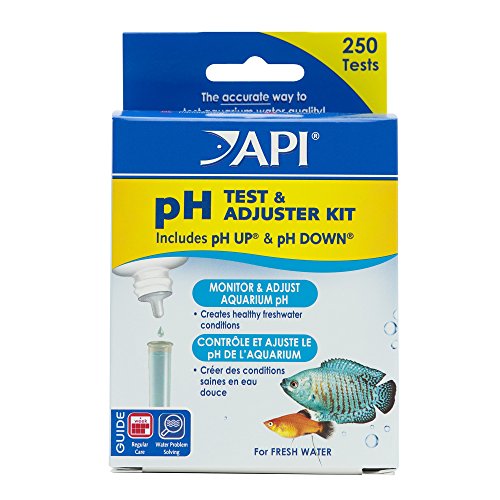
The API pH TEST & ADJUSTER KIT combines pH testing with adjustment tools for freshwater aquariums. The kit includes one bottle of testing solution, two bottles of pH adjusters (up and down), a color card, and a test tube with cap. It supports monitoring pH in the range of 6.0 to 7.6, helping keep water conditions stable and safe for fish and plants. The inclusion of API pH UP and pH DOWN enables precise, controlled adjustments. This all-in-one approach is convenient for hobbyists who want to test and correct pH in one routine.
Features to note include the color comparison card for consistent readings and the two adjustable solutions that cover common drift scenarios. While the kit is primarily aimed at freshwater systems, it emphasizes demonstration of pH changes and their impact on aquatic life. As with any chemical adjustment, gradual changes are advised to minimize stress on inhabitants.
Standard Hydroponics pH Up and Down Kit (10 Ounce)
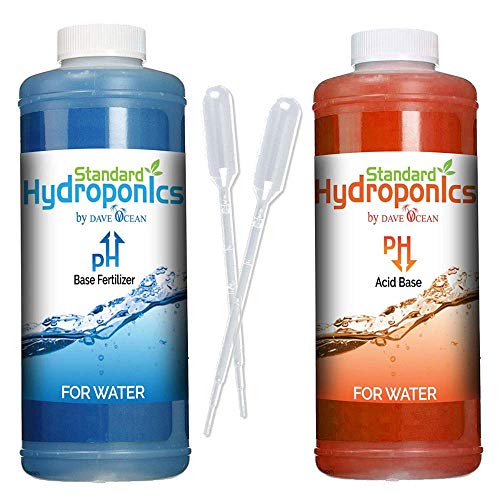
This pH up/down kit is marketed for hydroponics but is widely used in soilless systems and even some aquarium setups. The formula is highly concentrated (35%), allowing small amounts to produce meaningful pH adjustments. The kit includes two droppers (3 mL each) with 0.5 mL graduations, enabling precise dosing. Users can counter drift caused by water source variations, nutrient solutions, and media like coco coir or soil blends. The product emphasizes efficiency and precision, which can be critical for ensuring consistent nutrient uptake in plants and stable water chemistry for aquatic life when used in mixed environments.
Considerations include the need to calibrate dosing to your system’s volume and existing buffering capacity. Always start with the smallest recommended amount and measure pH again after a short stabilization period. The concentratd nature means store with care and avoid contamination to maintain effectiveness.
KORDON #35326 pH Decrease Adjuster, 16-Ounce

Kordon’s pH Decrease Adjuster is designed to gradually lower pH levels, making it suitable for both freshwater and saltwater aquariums. The product’s slow-action profile helps minimize sudden chemical shocks to fish and invertebrates. It is presented as compatible with pH stabilizers, enabling a comprehensive approach to maintaining a stable pH environment. This option is particularly useful when dealing with drift caused by tap water or buffering agents and can be integrated with regular maintenance routines.
Users should monitor pH changes over several hours to ensure the adjustment remains within the target range. Pairing with an adequate filtration and monitoring plan increases long-term stability. As with all pH modifiers, gradual dosing and frequent testing reduce risk to tank inhabitants.
KORDON #35316 pH Increase Adjuster, 16-Ounce

This Kordon pH Increase Adjuster is designed to raise pH levels in both freshwater and saltwater tanks. As a fast-acting solution, it helps counter acidic conditions that can develop in certain systems or with specific substrate and plant choices. It is formulated to pair with pH stabilizers, offering a cohesive route to maintaining a healthier, more stable pH balance for fish and plants. The 16-ounce size provides an economical option for larger tanks or ongoing adjustments.
Usage guidance includes adding small amounts at a time and testing pH after each addition. Stability often requires concurrent monitoring of alkalinity and buffering capacity, since shifts in one parameter may influence the other. Thorough cleaning of dosing vessels prevents contamination and ensures consistent results.
API pH DOWN Freshwater Aquarium pH Reducing Solution
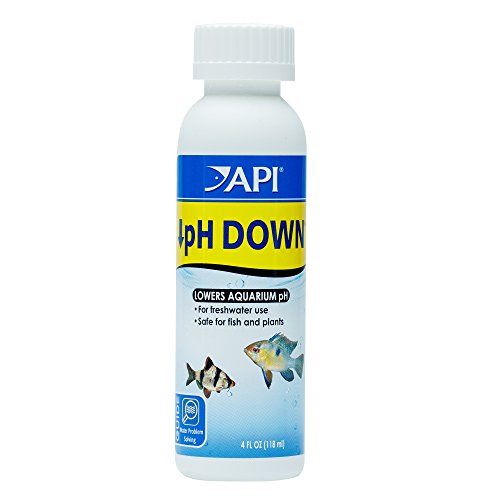
The API pH DOWN solution is designed to reduce freshwater aquarium pH without phosphates, minimizing algal risks while maintaining plant and fish safety. The bottle is a compact 4-ounce option that enables targeted, incremental reductions in pH as needed. The formulation emphasizes compatibility with common aquatic plants and organisms, and the phosphate-free design helps avoid unintended nutrient imbalances. This product is suitable for systems that require modest pH adjustments rather than drastic shifts.
Prudent practice includes measuring pH before and after dosing and allowing time for the solution to circulate and equilibrate. For tanks with sensitive inhabitants, staged adjustments and continual monitoring are advised to prevent stress or adverse reactions.
API pH UP Freshwater Aquarium pH Raising Solution
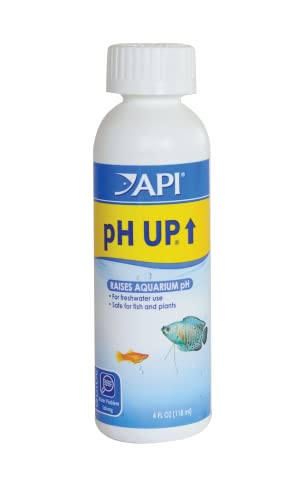
The API pH UP solution raises freshwater aquarium pH with a phosphate-free formula designed to be safe for plants and fish. This option is useful when acidifying inputs or buffering with natural alkalinity is not sufficient. The 4-ounce bottle is convenient for hobbyists with mid-sized tanks. The product aims to provide predictable pH increases without introducing unwanted nutrients that could spur algae growth or disrupt ecological balance.
When using pH UP, gradual dosing and frequent pH checks are recommended to avoid overshoot. Combine with a reliable monitoring plan and consider pairing with pH stabilizers for long-term stability in variable water sources or during seasonal changes.
API Aquarium Pharmaceuticals 30B pH Down, 16 oz

This API option targets freshwater aquariums for lowering pH levels. The 16-ounce bottle offers a larger-volume solution for consistent, controlled pH reductions. The product is described as safe for fish and plants when used as directed, and it complements a broader pH management strategy that includes regular testing and stabilization efforts. Clinically, gradual dosing remains essential to maintain stable conditions and minimize stress on tank inhabitants.
For best results, pair pH down with good aeration, routine water changes, and a compatible buffering regime. Regular testing helps determine how swiftly to adjust and how much to administer to reach the target range without overshoot.
Buying Guide: Key Purchase Considerations
- System type: Aquarium (freshwater or saltwater) vs. hydroponics may require different pH targets and buffering needs. Choose products labeled for the intended environment.
- Concentration and dosing: Highly concentrated formulas enable small, precise doses but require careful measurement and frequent testing to avoid overshoot.
- Phosphate content: Phosphate-free formulas are generally preferred for freshwater tanks with plants to reduce algae risk and nutrient imbalances.
- Compatibility: Use pH up and pH down in combination with pH stabilizers or buffers as needed to maintain long-term stability. Check product pairing guidance.
- Testing routine: Purchase a reliable test kit if not already owned, and establish a consistent schedule to monitor pH after any adjustment.
- Substrate and buffering: Some substrates or nutrient solutions influence alkalinity and buffering capacity; adjust dosing accordingly to avoid rapid swings.
- Safety: Always add chemicals slowly and to water, not directly into substrate or equipment, and avoid sudden, large changes that can stress organisms.
In summary, selecting the right pH adjuster depends on your system’s size, drift pattern, and the sensitivity of its inhabitants. The products listed here provide a range of approaches—from test-and-adjust kits to separate pH up and down solutions—allowing you to tailor a stable, balanced environment for aquatic life and plants alike.